

Design: An Introduction
Design isn’t just decoration or visual flair—it’s decision-making with intention. Whether you’re sketching Home design in Lucknow, planning Luxury villa design, or curating a mood board in an interior design studio, design is about solving problems, evoking emotions, and reshaping how we experience the world.
Think of it like this:
- When you arrange your desk so you can find your pen, you’re designing.
- When a top architect in Lucknow plans light and space to guide movement, that’s design.
- When an Interior designer in Lucknow rethinks how a chair can fold into a suitcase, that too is design.
Design is Problem-solving
Design identifies needs, understands constraints, and brings together logic and creativity. Whether it’s an interior design office in Lucknow planning efficient layouts or an architecture firm in Lucknow optimizing space, design turns challenges into opportunities.
Design is an Experience
The comfort of a premium chair, the mood of a café, or how a corridor flows in a premium villa design—design shapes how we feel, move, and remember.
Design is Meaningful
Beyond surfaces and objects, meaningful design connects to values, culture, and purpose. It’s what makes a space designed by an Architect and Interior designer in Lucknow resonate with both utility and emotion.
Design is a Process
Research, ideation, prototyping, refinement—design grows through iteration. Even a Luxury villa design or a boutique renovation follows this evolving journey.
Design is a Method
A structured yet flexible approach allows designers, from freelancers to an architecture company in Lucknow, to move from imagination to implementation with clarity.
Design is a Planning Tool
Before a project is built, design visualizes possibilities and minimizes risk. Whether it’s a corporate space or a residential masterplan, planning bridges creativity and reality.
Design is Interactive
Users shape and respond to design. A lobby, an app interface, or a folding partition invites participation and adapts to behavior.
Design is Expression
Design tells stories through form, texture, color, and space. An Interior decorator in Lucknow might express culture through material, while a product designer communicates through silhouette.
Design is Storytelling
Every curve, surface, and transition narrates intent. A hallway in a home, a façade in Home design Lucknow, or a handcrafted table—all tell stories without a single word.
Design is Powerful
Design influences choices, simplifies life, and shifts behavior. It builds trust, identity, and connection—whether in a household, workspace, or cityscape.
Design is Rebel
Design questions the default. It breaks patterns, challenges norms, and provokes new perspectives—just as disruptive architects have always done.
Design is a Language
Colors speak. Forms whisper. Spatial layouts suggest movement. Design communicates where words cannot.
Design is a Journey
Ideas evolve. What begins on paper may end in brick, fabric, or light. It’s exploration, mistakes, breakthroughs, and growth.
Design is a Bridge
It connects people to spaces, function to feeling, imagination to execution. Like the role an architect in Lucknow plays, design links context with possibility.
Design is an Experiment
Every model, sketch, or draft is a question asked. Trials lead to innovation, and the unexpected often becomes the solution.
Design is Useful
Real design improves life. It balances utility and elegance, just like a well-planned studio or a functional residence.
Design is Contextual
Design responds to climate, culture, people, and place. A space in Lucknow won’t be the same as one in Lisbon—context creates meaning.
Design is Universal
Good design speaks to everyone. Accessibility, empathy, and clarity make it inclusive—no translation needed.
Design is Empathetic
It listens before it shapes. It cares about those who will live, work, or learn in the space.
Design is Sustainable
Responsible choices—materials, systems, and lifecycle—make design future-proof, not disposable.
Design is Relevant
Design answers to its time. It reflects the now, anticipates change, and adapts with intention.
Design is Sensory
Touch, light, texture, scent—design immerses. A cozy reading corner or a polished workspace is not just seen but felt.
Design is Ergonomical
Comfort and ease matter. From seating to staircases, usability is non-negotiable.
Design is Economical
Resourceful design avoids waste and maximizes potential—whether for a boutique apartment or a public hub.
Design is Thought Made Visible
Ideas take shape through form and structure. What begins as intent becomes something others can see and use.
Design is Provocative
Sometimes design startles to start conversations. A bold form, a raw texture, or a clash of geometry can stir new awareness.
Design is Reflective
Design mirrors who we are—our cultures, identities, and aspirations.
Design is Translation
It interprets needs into experiences, turning abstract emotions into tangible realities.
Design is Perspective
Design shifts how we notice, question, and respond to the world around us.
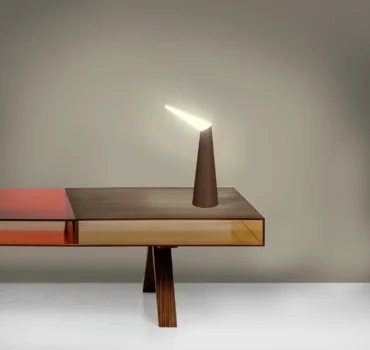
At its heart, design is:
- Observation — noticing a problem, a pattern, or a possibility.
- Imagination — dreaming what could exist.
- Execution — giving that idea a visible, usable form.
Design is everywhere—across homes, cities, interfaces, rituals, and habits. Whether crafted by a multinational practice or an emerging Interior designer in Lucknow, good design doesn’t just solve problems—it asks better questions, reshapes thinking, and redefines what’s possible.