
What Are the Latest Luxury Home Design Trends Recommended by an Architect in Kanpur?
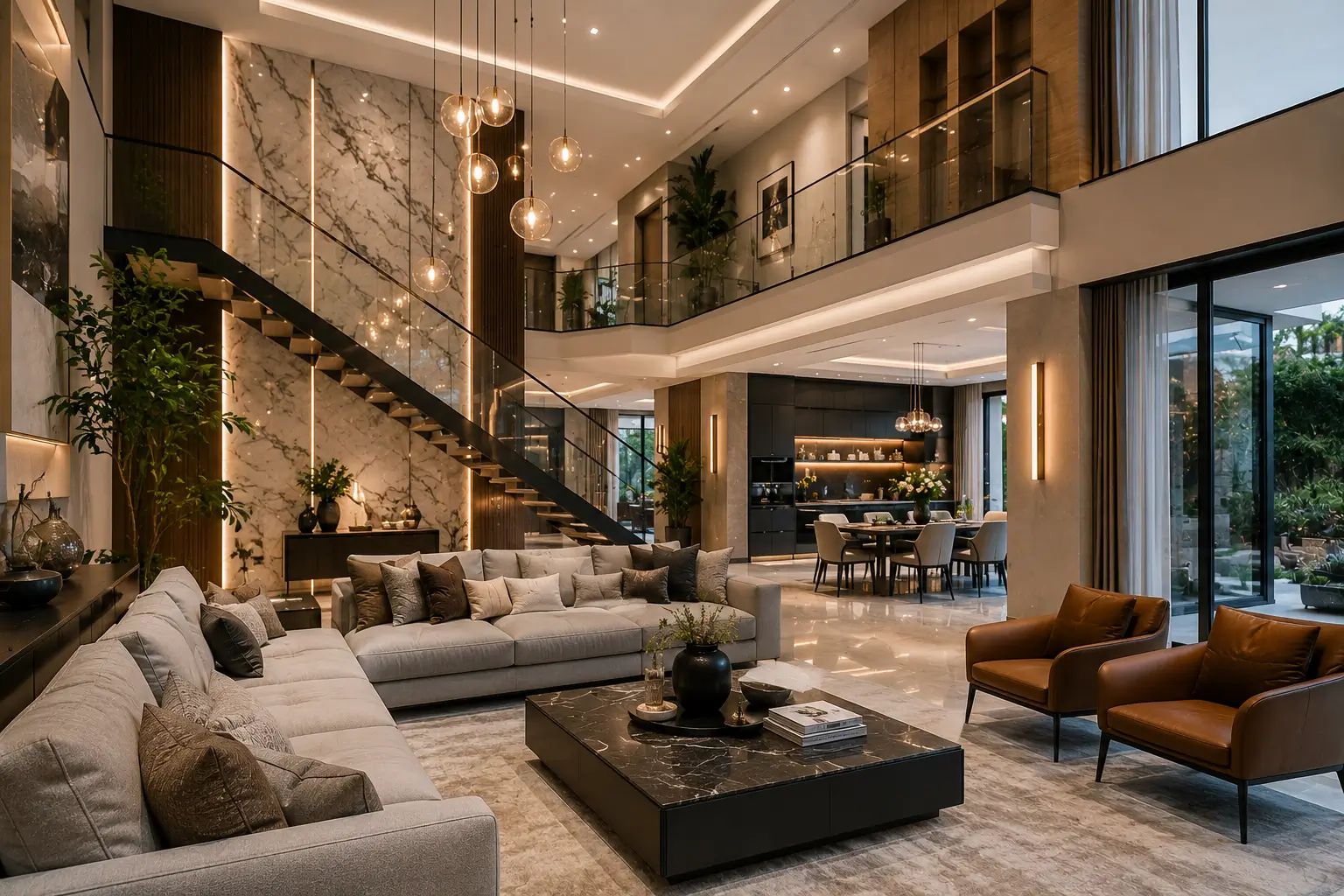
Luxury today is no longer about excess. It is about clarity, comfort, detail, and how a space makes you feel over time. Over the last few years, we have seen homeowners move away from overly decorative homes towards spaces that feel calmer, warmer, and more deeply personal.
As an architect in Kanpur, one thing we constantly notice is that clients today want homes that are contemporary without feeling cold, luxurious without being loud, and timeless enough to age gracefully.
Luxury home design is also becoming more experiential. People are investing in how they live rather than simply how a house looks in photographs. Homes are now expected to slow life down a little — through natural light, layered materials, meaningful art, tactile finishes, and spaces that encourage gathering.
Here are some of the latest directions shaping modern luxury homes today.
1. Softer Minimalism Instead of Sharp Minimalism
Minimal homes are evolving. The earlier version of minimalism focused heavily on stark whites, sharp edges, and extremely clean surfaces. While visually striking, many of those homes lacked warmth.
The newer approach to modern luxury villa design is softer and more tactile. Think textured walls, earthy palettes, curved edges, linen fabrics, warm woods, handmade elements, and natural stone.
Luxury is increasingly being defined by restraint and material honesty.
Instead of filling spaces with expensive décor, homeowners are investing in fewer but better things — a beautifully crafted dining table, a sculptural light fixture, custom furniture, or a carefully designed courtyard.
2. Indoor-Outdoor Living Is Becoming Essential
One of the strongest shifts in luxury villa design is the blending of indoor and outdoor spaces.
Large sliding openings, internal courtyards, spill-out decks, semi-open lounges, and landscaped pockets are becoming key elements in luxury homes. Especially in cities like Kanpur, where dense urban environments dominate, homeowners increasingly value access to light, greenery, and ventilation.
A luxury home today is not just about square footage. It is about how naturally the home breathes.
We often encourage designing transitional spaces that allow the home to feel open without compromising privacy. Even compact plots can feel expansive when light, air, and visual connections are thoughtfully planned.
3. Bespoke Spaces Instead of Generic Layouts
Luxury homes are becoming deeply personalised.
Instead of standard rooms and repetitive planning, people are now asking for spaces that reflect how they actually live — reading corners, art walls, meditation rooms, listening spaces, outdoor breakfast courts, private bars, wellness rooms, or studio-like workspaces.
Good architecture today responds to lifestyle patterns rather than trends alone.
As an architect in Kanpur, we believe a home should feel designed specifically for the people living in it, not assembled from references collected online.
4. Rich, Natural Materials Are Dominating Luxury Interiors
Materials play a huge role in defining luxury.
The current preference is shifting toward materials that feel natural, tactile, and timeless:
- Natural stone with visible texture
- Wood with deep grains and matte finishes
- Lime-based or textured wall finishes
- Handmade tiles
- Fluted glass
- Warm metals like brushed brass
- Soft neutral fabrics
People are also moving away from extremely glossy finishes and overly ornamental interiors.
The focus is now on creating depth through layering rather than decoration.
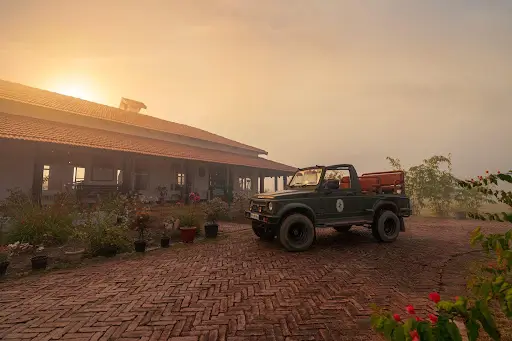
Design by Studio0522
5. Mood Lighting Over Bright Lighting
Luxury homes are becoming more atmospheric.
Instead of flooding spaces with uniform lighting, homes today use layered lighting strategies:
- Cove lighting
- Accent lights
- Sculptural fixtures
- Floor lamps
- Wall washers
- Hidden lighting details
Lighting is no longer treated as an afterthought. It has become one of the most important tools in shaping how a home feels.
Warm lighting, especially during evenings, instantly changes the emotional quality of a space.
6. Smart Homes That Feel Invisible
Technology is becoming more integrated but less visually intrusive.
Modern luxury homeowners want convenience without making the home feel overly technical.
Smart systems today often include:
- Automated lighting
- Climate control
- Motorised curtains
- Security systems
- Smart entertainment setups
- Energy management systems
The idea is not to showcase technology but to make daily living more seamless.
7. Wellness-Centric Design Is Growing Rapidly
Post-pandemic living has shifted the way people think about their homes.
Luxury now includes emotional and physical wellbeing.
This has led to increased demand for:
- Better natural ventilation
- Daylight-focused planning
- Indoor greenery
- Home spas
- Meditation areas
- Fitness zones
- Noise reduction strategies
- Calmer colour palettes
Homes are increasingly being designed as restorative environments rather than purely aspirational spaces.
Why Working With the Right Architect Matters
Designing a luxury home is not about simply adding expensive materials or larger rooms.
A thoughtfully designed home balances aesthetics, functionality, climate response, proportions, detailing, lifestyle needs, and long-term adaptability.
A good architect in Kanpur can help translate your lifestyle into spaces that feel cohesive and timeless while avoiding common mistakes that often make luxury homes feel excessive or dated.
The design process should ideally involve deep conversations around:
- Daily routines
- Family structure
- Future needs
- Light preferences
- Material sensibilities
- Budget priorities
- Art and furniture preferences
- Maintenance expectations
The best luxury homes are usually the ones that feel effortless.
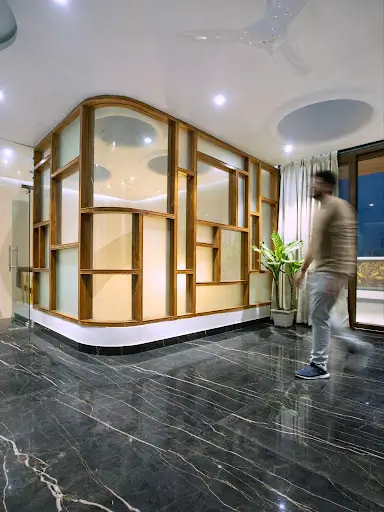
Design by Studio0522
Frequently Asked Questions
Current luxury home trends focus on warm minimalism, indoor-outdoor living, natural materials, personalised spaces, wellness-focused planning, and subtle smart-home integration. Homeowners are increasingly choosing timeless designs over overly decorative interiors.
An experienced architect in Kanpur can help create a home that balances aesthetics, functionality, climate response, space planning, and long-term usability. Architects also help optimise layouts, materials, lighting, and overall design cohesion.
Contemporary minimalism, warm modern interiors, earthy luxury, Japandi-inspired spaces, and modern Indian aesthetics are currently popular. Clients are preferring cleaner spaces with rich textures and timeless materials.
Luxury home design in Kanpur typically costs ₹3,000–₹7,000+ per sq. ft., with premium interiors around ₹2,550–₹5,000+ per sq. ft. Architectural and interior design fees generally range from ₹50–₹500 per sq. ft. or 8%–15% of the total project cost.
Natural stone, solid wood, textured wall finishes, handmade tiles, brushed metals, linen fabrics, and high-quality lighting fixtures are commonly recommended for luxury interiors because they age beautifully and create depth.
Luxury does not always come from expensive décor. Prioritising good lighting, thoughtful layouts, high-quality textures, cohesive materials, and well-designed furniture can significantly elevate a home even within a controlled budget.
Yes. Many architects work on luxury renovation and transformation projects, including façade redesigns, interior renovations, spatial restructuring, landscape upgrades, and modernisation of older homes.
You should discuss your lifestyle, design preferences, budget expectations, family needs, future plans, plot details, timelines, and references you resonate with. A clear discussion helps create a more personalised design direction.
The timeline depends on the scale and complexity of the project. Typically, the design phase may take several months, while construction timelines vary depending on approvals, detailing, execution quality, and project size.
Look for an architect whose work feels thoughtful, contextual, and aligned with your lifestyle rather than just visually impressive. Good communication, design clarity, detailing ability, and an understanding of timeless spaces are equally important.
Final Thoughts
Luxury homes today are becoming quieter, more intentional, and more deeply connected to everyday living.
The goal is no longer to create spaces that simply appear luxurious, but spaces that feel meaningful, calming, and timeless over years of living.
Whether it is through material choices, spatial planning, natural light, or handcrafted details, thoughtful architecture has the ability to elevate daily life in subtle but powerful ways.
And ultimately, that is where true luxury begins.